If you’ve ever posted something on social media and wondered, “Who am I even talking to?”, then congratulations — you’ve already taken the first step toward audience research.
In the world of social media marketing, knowing your target audience is not optional. It’s the foundation of every smart social media strategy, every successful campaign, and every profitable business.
But here’s the problem:
Most people think finding their audience means “posting more and hoping for the best.”
Nope. There’s a science (and a little bit of art) behind getting the right people to notice you online.
This blog will show you exactly how to find your target audience on social media — in simple language, with real-life examples, and practical steps you can use today.
Let’s begin.
What Is a Target Audience in Social Media Marketing?
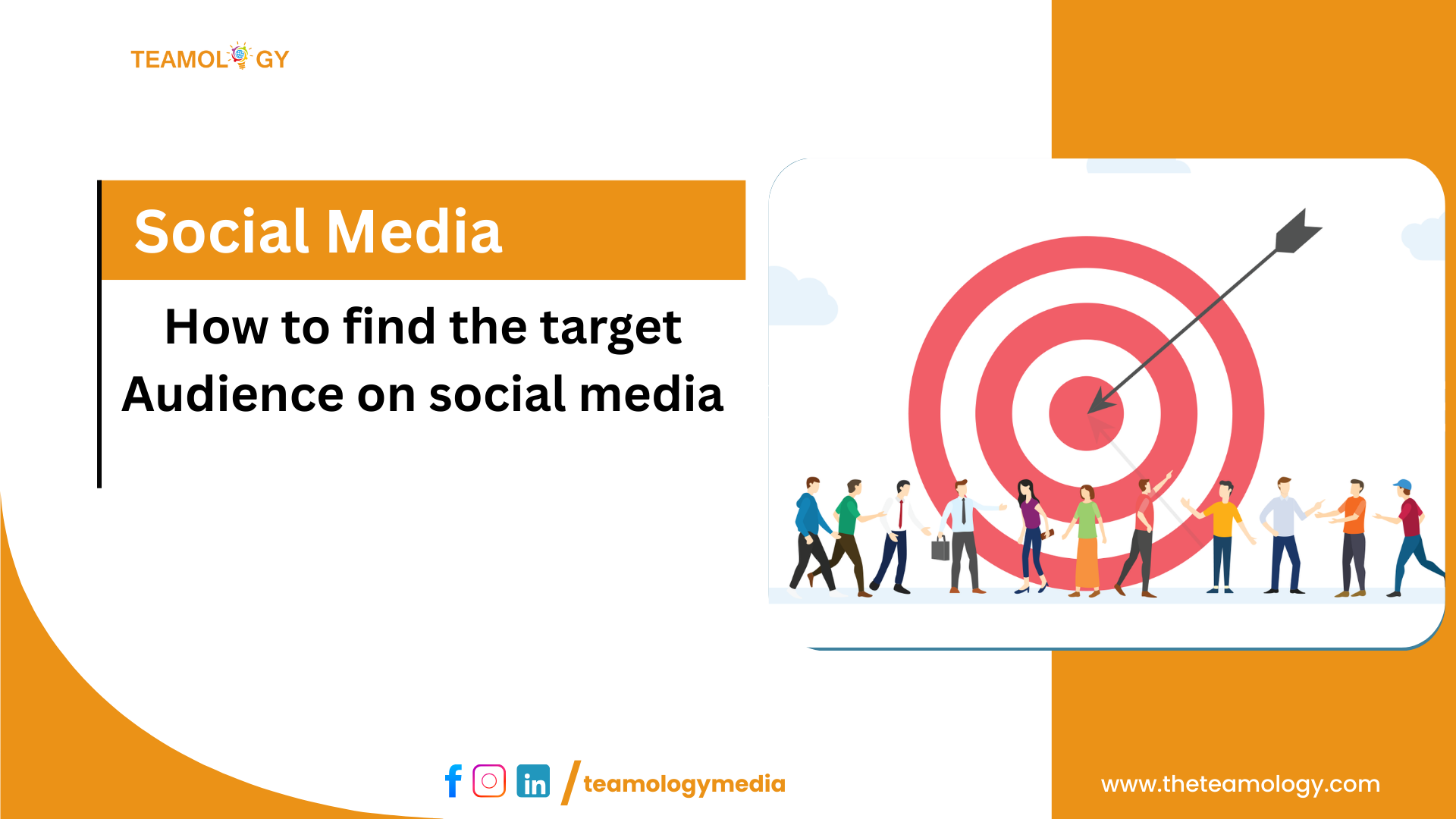
Your target audience is the specific group most likely to benefit from your product, service, or content.
Think of it this way:
If social media is a massive ocean, your target audience is the group of fish actually interested in your bait.
For example:
A fitness coach – People wanting to lose weight
A Python teacher – Students, job seekers, tech learners
A bakery – Food lovers, birthday planners, parents
Without a target audience, your content goes nowhere.
With the right audience, even simple posts can go viral.
Why Identifying Your Target Audience Is Crucial for Social Media Growth
Here’s why this step is a game-changer for your online marketing:
Saves money
You don’t waste ad budget showing content to people who don’t care.
Increases engagement
People interact more when they feel a message is “just for them.”
Boosts conversions
Sales grow when your message reaches people who already want what you offer.
Builds a loyal digital audience
Once you understand your audience, you can create content they love — again and again.
How to Identify Your Ideal Customer for Social Media Marketing (Step-by-Step)
Let’s get practical now.
Here is the complete process — simple enough for beginners, powerful enough for experts.
1. Start With “Who Needs You?”
The first step in audience targeting is understanding what you offer and who needs it.
Ask yourself:
What problem does my product or service solve?
Who will benefit the most?
What type of people already follow similar content?
Example:
If you teach Python, your audience includes:
Class 11–12 students
College students
Job seekers
Working professionals wanting upskilling
Simple, right? This clarity will guide the rest of your social media strategy.
2. Analyse Your Current Followers
Every social platform gives you free data through analytics:
Facebook Audience Insights
YouTube Studio Analytics
LinkedIn Analytics
Look at:
Age
Gender
Location
Interests
What posts do they engage with
This tells you who is already interested — your starting audience.
3. Study Your Competitors (The Smart Shortcut)
Your competitors have already done half the audience research for you!
Here’s how to use it:
Look at accounts similar to yours
Check their comments section
See who likes and shares their posts
Observe what content performs best
Example:
If a coding influencer’s reels about “Python careers” get the most saves, your audience is hungry for career-focused content.
Steal inspiration, not content.
4. How to Use Hashtags to Find Your Target Audience on Instagram
Every social platform has its own discovery system.
On Instagram
Search hashtags like #python, #fitnessmotivation, #parentingtips
Check profiles interacting with these posts
Explore the followers of niche creators
On Facebook
Join local & niche-based groups
See what questions people ask
On YouTube
Use the search bar
Look for the most common search terms
Read comments on trending videos
On LinkedIn
Search by job title, interests, industry, and location
Follow the pages your audience might follow
These platforms reveal active communities you can study — or join.
5. How to Create Target Audience Personas for Better Content Strategy (Your Marketing GPS)
A persona is a simple profile of your ideal customer.
Here’s an example persona for a Python course:
Persona 1: Rohit — 18, Class 12 Student
Wants to learn programming
Watches coding tutorials
Follows tech influencers
Active on Instagram & YouTube
Persona 2: Priya — 24, B.Sc Graduate
Wants a better job
Searches for affordable courses
Reads career blogs
These personas help you tailor content that feels personal and relevant.
6. Watch Engagement Patterns Closely
Your audience tells you what they want — through their actions.
Track:
Which posts get the most likes?
What kind of reels get the most saves?
Which topics get the most comments?
What time is your audience most active?
Example:
If your reels on “study hacks” get more views than reels on “exam stress,” now you know what to focus on.
This is data-driven social media marketing:
Facts> assumptions.
7. Listen to Conversations in Your Niche
Use the search bar to find questions and discussions related to your topic.
Search terms like:
“How to start Python?”
“Which skincare routine is best?”
“Best fitness tips at home”
“How to study effectively?”
Read comments, questions & posts — your audience’s pain points will become crystal clear.
8. Use Paid Ads (Even ₹100 a Day Works!)
Paid ads help you test different audiences quickly.
For example, if you run Instagram ads:
Set the location to your city
Choose interests related to your niche
Test different age groups
Ads help you discover:
Who clicks the most
Who signs up
Who ignores your message
This is the fastest way to validate your digital audience.
9. Run Polls, Surveys & Ask Questions
People love giving opinions.
Try:
Instagram polls
Question stickers
LinkedIn polls
Feedback surveys
WhatsApp community questions
Ask:
What content do you want next?
What is your biggest struggle with this topic?
Why do you want to learn this skill?
Their answers tell you exactly who they are — and what they want.
How Top Brands Identify Their Target Audience on Social Media
Here’s how popular brands find their target audience:
Nykaa analyses beauty hashtags & influencer followers
Zomato studies food memes, order patterns & city data
Netflix tracks genre preferences & meme engagement
Nike watches fitness hashtags & creators
You can follow the same logic on a smaller scale.
Final Tips for Finding Your Target Audience
Don’t chase everyone
Don’t rely on assumptions — rely on data
Don’t try to copy big brands blindly
Keep testing different groups
Keep analysing results every month
Finding your target audience is not a one-time job.
It’s a continuous process of learning, observing, and adjusting.
Conclusion
Your social media success depends on one thing:
Knowing exactly who you’re talking to.
When you invest time in audience research, everything gets easier —
content creation, ad targeting, engagement, sales, and your entire social media marketing game.
By using the steps in this guide — analyzing followers, studying competitors, exploring hashtags, creating personas, and testing content — you’ll build a powerful digital audience that truly cares about what you offer.
Want us to map out your audience segments and build a tailored social media strategy for your business?
Just reach out — we’ll take it from here