Introduction
The key to success in email marketing is understanding your audience and implementing proven strategies that maximise your email marketing efforts.
In this blog, we will discover ways to expand your Email marketing strategy and Email marketing tips to reach your target audience. Before we dive into complex theories, we need to understand what Email marketing actually is.
What is Email marketing?
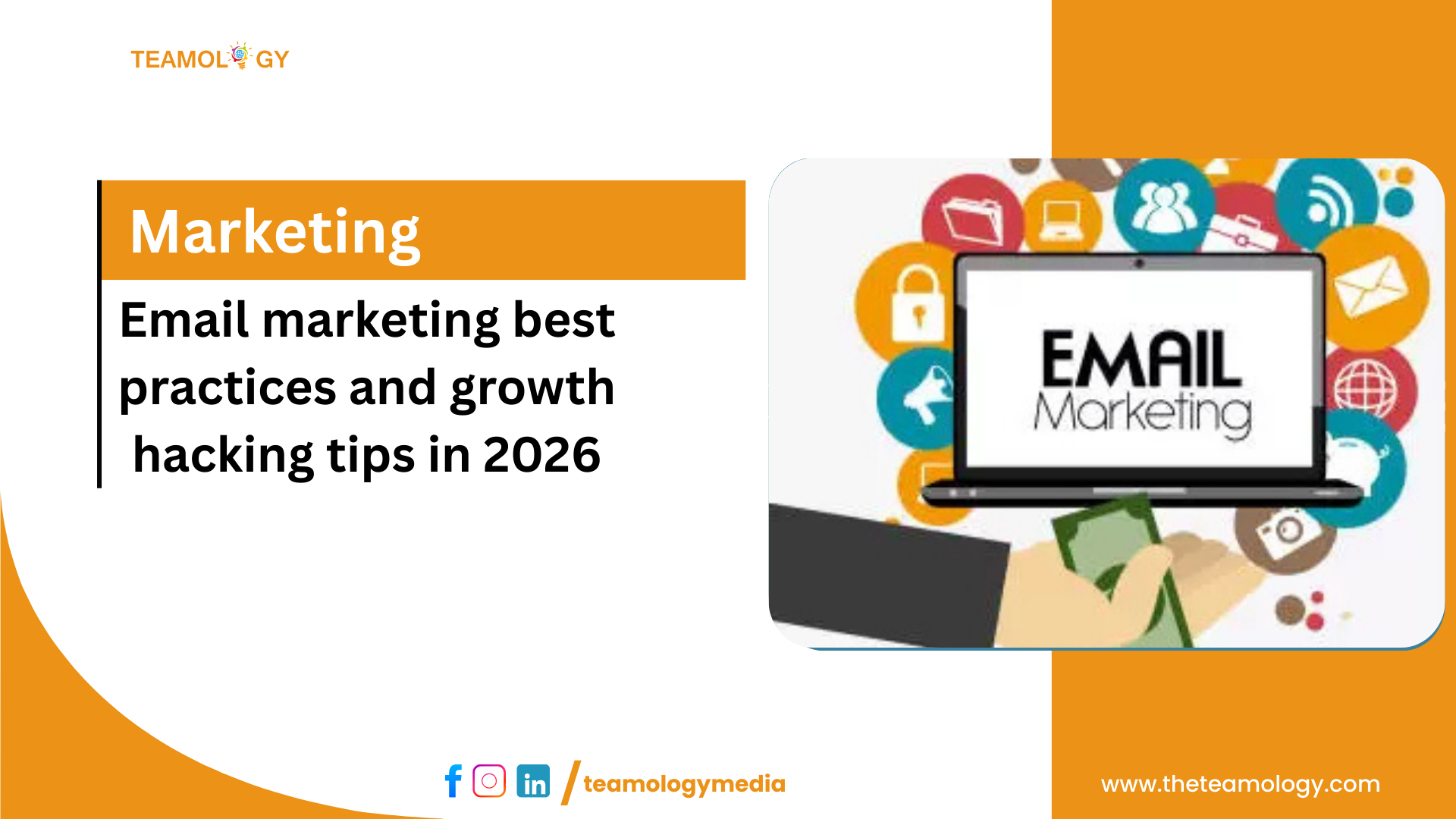
Email marketing is the process of using email to connect with potential customers, nurture leads, promote products, and build customer loyalty. Email marketing has been the cornerstone for marketing and business outreach. Every brand, irrespective of its size or industry, uses Email to communicate its product.
Email marketing especially helps drive sales and website traffic. If Email campaigns are done correctly, they can really help in raising the numbers.
Benefits of Email Marketing
Email marketing offers many benefits, making it a powerful marketing channel. Email marketing has many perks, such as cost-effective reach, personalised content, enhanced customer retention and driving website traffic.
Email marketing produces one of the highest ROI. Potential customers click the link and can buy the product directly without any hassle. An Email with a catchy subject can drive traffic website.
With branding, the main concern remains reaching the right audience. Ad campaigns with million-dollar budgets can fail if the target audience is not aligned with the brand’s themes. With Email marketing, that risk is pretty low, as you mail only the specific accounts that have already given you their details or subscribed to your content.
These Email marketing benefits affect businesses to grow rapidly. Irrespective of their market or company size, a well-thought-out email marketing plan can make a tremendous difference.
Email marketing tools you can use
1. HubSpot Email Marketing
HubSpot, probably best known for its marketing automation platform, recently launched a free email marketing tool that can support a lot of a small business’s transactional email needs.
Whether you need to send kickback emails from lead offers, thank you emails after purchase, or promote current campaigns, HubSpot Email Marketing’s free version can do that. One of the best parts of HubSpot’s free email tool is its ease of use. The tool features a handy drag-and-drop visual editor and ready-made templates to get you up and running immediately.
2. Sender
Sender is one of the best free email marketing tools in the market, with features to ensure deliverability. It lets you create stunning newsletters without any HTML knowledge. Just choose from a template and customise it with elements like images, videos, and text. You can even personalise your newsletters for each recipient to create an even bigger impact.
3. Sendinblue
Sendinblue is a marketing communications platform that offers both email marketing tools and additional features such as customer relationship management and landing page creation. With over 70 design templates, Sendinblue’s email design functions make it easy to create a great-looking email. Plus, all of these templates are responsive, and you can preview your results to ensure your design looks the way you want on any screen format.
4. Omnisend
Omnisend is a sophisticated ecommerce marketing platform that integrates all your communication platforms in one place. Its free plan includes only email, but it’s more than enough to support the email marketing efforts of small and medium businesses. It allows you to automate your email delivery using behavioural triggers and easily time your communications based on your customers’ convenience.
5. Mailchimp
Mailchimp is a leader in email marketing tools that you’ve probably heard of. Their free plan provides basic email marketing features, including email creation and scheduling. What makes this a great email marketing tool is its smart recommendations feature, which provides you with valuable audience insights to optimise your marketing efforts.
Email marketing best practices and tips for growth
To do Email marketing correctly, you need to apply a few Email marketing tips and growth hacks. Starting with,
1. Write captivating copy
Email is often an entry point into digital marketing for small businesses. If you’re a newcomer, you might be tempted to include sensational phrases like “Buy now!” or “Limited time offer!” in your subject lines because you’ve seen other companies do it. However, keep in mind that what works for one company may not appeal to your audience.
When writing subject lines and email content, the general rule is to make them relevant and interesting to your subscribers. Write short subject lines that tell rather than sell what’s in your email.
2. Avoid sending campaigns to a stale list
An email list will go stale pretty quickly if you don’t send to it regularly, even if all the addresses were added via a double-opt-in process.
Think about it: If you don’t email your subscribers regularly, there’s a good chance they’ll forget they signed up to your list in the first place.
If you think any email addresses on your list are stale, ask contacts to reconfirm their subscriptions.
3. Only send email campaigns with permission
Getting people’s permission to send them your marketing campaigns not only complies with anti-spam regulations, but it also ensures you’re cultivating an audience that’s loyal to your brand.
4. Experiment to see what resonates
It’s important to A/B test every part of your email, from subject lines to your calls to action (CTAs). Some tips to keep in mind during your tests are:
- Test only one element at a time (otherwise, your results will be inconclusive)
- Make sure you have a significant sample size in your testing
- Move on to the next test once you find a winning element
Remember, your product changes, as do your recipients, so a good email marketer is never done testing. For more tips, check out our A/B testing guide.
5. Personalise your emails
Personalisation isn’t new for 2024, but it’s picking up steam and becoming increasingly important for email programs. Batch-and-blast emails just aren’t going to cut it or result in high conversion and engagement rates
To personalise your emails, you must first consider what user data you have.
6. Mobile-first design
Given the increasing use of mobile devices, ensure your emails are optimised for mobile viewing. Responsive design and concise, visually appealing content are crucial to delivering a seamless experience on smartphones and tablets.
7. AI-powered automation
The best email marketing platforms embrace AI to automate and personalise email campaigns. Use AI for predictive analytics, behaviour-based triggers, A/B testing automation, and even content generation to ensure every email is relevant, contextual, and sent at the right time.
8. Accessibility standards
Ensure your email content is accessible to all users, including those with disabilities. Use descriptive alt text for images, employ readable fonts and colours, and structure your emails logically to enhance accessibility.
Conclusion
To summarise, email marketing remains a key way to reach new audiences and promote your brand and product.
Knowing your audience, personalising, and crafting compelling emails are the tricks to engaging people in your Email and your brand.
If you are still unsure how to do email marketing effectively, feel free to reach out to our Teamology team. We will be happy to help you and guide you through the process of reaching a bigger audience.