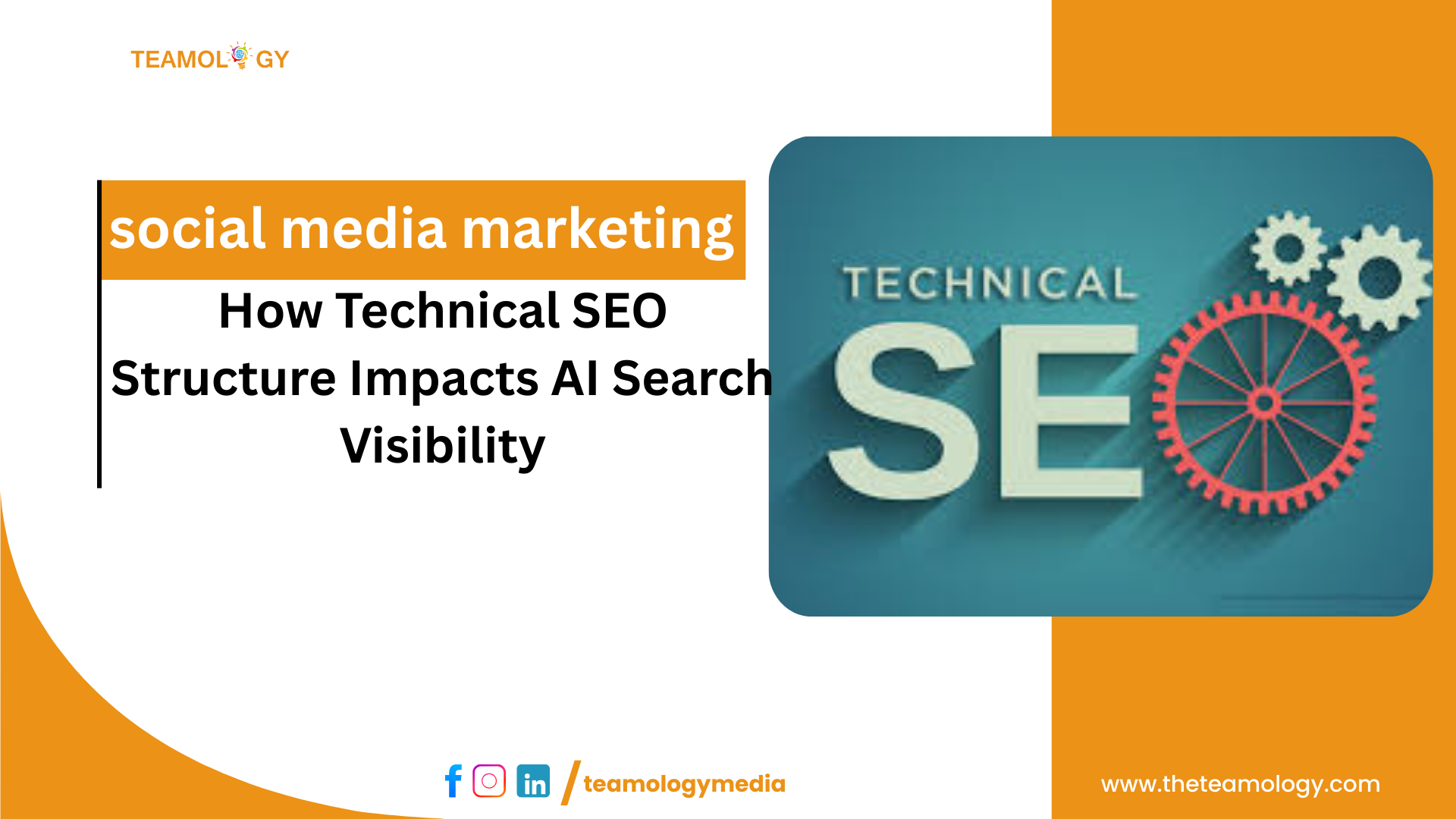

Over the last few years, AI search optimization has transformed how search engines interpret queries, evaluate content, and decide rankings. By 2026, these changes will no longer feel experimental; they will define how visibility is earned.
Search has evolved beyond traditional rankings. Today, artificial intelligence plays a major role in how information is discovered, understood, and presented to users. AI-powered search experiences, such as Google’s AI Overviews, voice assistants, and conversational search tools, determine which content deserves visibility.
A website’s technical foundation directly influences how AI systems crawl, understand, and trust its content. The difference between a bad technical SEO structure and a good one can determine whether your content appears in AI-generated answers or disappears entirely.
In this blog, we will explore widely searched topics, including how to rank in AI search, how to improve website SEO, technical SEO best practices, and why it is no longer a choice but a necessity to optimize a website for AI search.
What is Technical SEO and Why Does It Matter for AI Search?
Technical SEO refers to all of the back-end signals that affect Google’s ability to discover, crawl, and index websites. While on-page SEO covers content quality and readability, technical SEO encompasses a wide range of factors, from page speed and link structure to XML sitemaps and Schema.
Once your content is indexed, it can rank in search results. If your site can’t be crawled for some reason, it won’t rank, appear on SERPs, or drive traffic. A lot goes into technical SEO, and any one factor could affect Google’s ability to find and index your site. Today, technical SEO is integral to AI search.
Impact of Bad Technical SEO Structure on AI Search
If your technical SEO structure is weak, your website’s discoverability is hampered. AI systems rely on search engine indexes to access content. If a website has crawling and indexing issues, AI simply cannot reach the pages. Broken internal links, incorrect robots.txt rules, or wrongly applied noindex tags prevent content from being discovered. As a result, AI tools fail to read or summarise that content in search responses.
A poor site structure can confuse AI systems. When URLs are inconsistent, navigation is unclear, or important pages are buried deep within the website, AI struggles to identify the main topics and priority pages. This confusion can reduce the likelihood that AI will find your website. Even if the content is meaningful. In a time where AI-driven search engines are the new normal, having a better SEO structure is as important as producing insightful content.
Slow page speed affects AI trust. Websites that take too long to load signal a poor user experience. AI-driven search systems prioritise fast, smooth websites because they align with user expectations. A slow website is less likely to be chosen for AI-generated summaries or direct answers.
Lack of structured data creates another major disadvantage. Without proper schema markup, AI has limited context about the content. It becomes harder for AI to understand whether a page is an article, a guide, or an authoritative resource. This reduces the likelihood that the content will be pulled into AI search features.
Mobile and accessibility issues also affect AI visibility. AI search is mobile-first and favours content that works well across devices and is easy for all users to access. Websites with poor mobile layouts, broken designs, or missing accessibility elements appear unreliable and are often ignored by AI systems.
Duplicate content and incorrect canonical setup weaken authority signals. When multiple versions of the same content exist, AI receives mixed messages about which version to trust. Instead of selecting one, AI may avoid all versions, resulting in lost visibility.
Finally, security issues seriously damage AI’s credibility. Websites without HTTPS or displaying security warnings are considered unsafe. AI systems avoid recommending such sources, regardless of content quality.
Benefits of Good Technical SEO for AI Search Optimization
A strong technical SEO structure creates clarity for AI systems. When a website is easy to crawl and index, AI can consistently access and analyse its content. Clean internal linking and proper indexing ensure that important pages are visible and available for AI-driven discovery.
A well-organised site structure helps AI understand the website’s focus and expertise. Clear URLs, logical navigation, and proper hierarchy enable AI to quickly identify key topics and authoritative pages. This increases the likelihood that the website will be selected as a trusted source in AI-generated search results. A well-structured technical SEO helps optimize websites for AI search.
Fast-loading pages significantly improve AI trust. Websites that perform well in terms of speed and user experience align with AI’s goal of delivering helpful and efficient results. Faster websites are more likely to be referenced in AI summaries and answers.
Structured data plays a critical role in improving AI understanding. Proper schema markup helps AI accurately interpret content type, context, and relevance. This makes it easier for AI to extract key information and present it directly to users.
Mobile optimisation and accessibility strengthen confidence in AI. When a website performs well across devices and adheres to accessibility best practices, it signals reliability and inclusivity. AI systems favour such websites when selecting sources for search results.
Correct handling of duplicate content and canonical tags ensures that authority is consolidated. AI can clearly identify the preferred version of content, increasing its chances of being used in AI-driven search features.
Strong security further reinforces trust. HTTPS-enabled and secure websites are considered safe for users, making them more suitable for AI recommendations.
Bad vs Good Technical SEO: The AI Search Difference
With poor technical SEO, AI struggles to find, understand, and trust content. This leads to low visibility, missed opportunities, and reduced presence in AI-generated search experiences. Even high-quality content may remain unseen.
With a good technical SEO structure, AI can easily discover content, understand its relevance, and confidently recommend it. This results in better visibility, higher authority, and stronger positioning in AI-powered search results.
Final Thoughts on Technical SEO and AI Search
AI search is changing how users discover information. In this new landscape, technical SEO is no longer just about rankings—it is about being understood and trusted by AI systems. A weak technical foundation can block your content from AI search entirely, while a strong structure can position your brand as a reliable source.
At Teamology, we believe that investing in technical SEO today is essential for long-term visibility in AI-driven search. The better your technical structure, the stronger your chances of being chosen by AI tomorrow.
Book a free session with our specialized social media team and change your social media appearance in a blink.