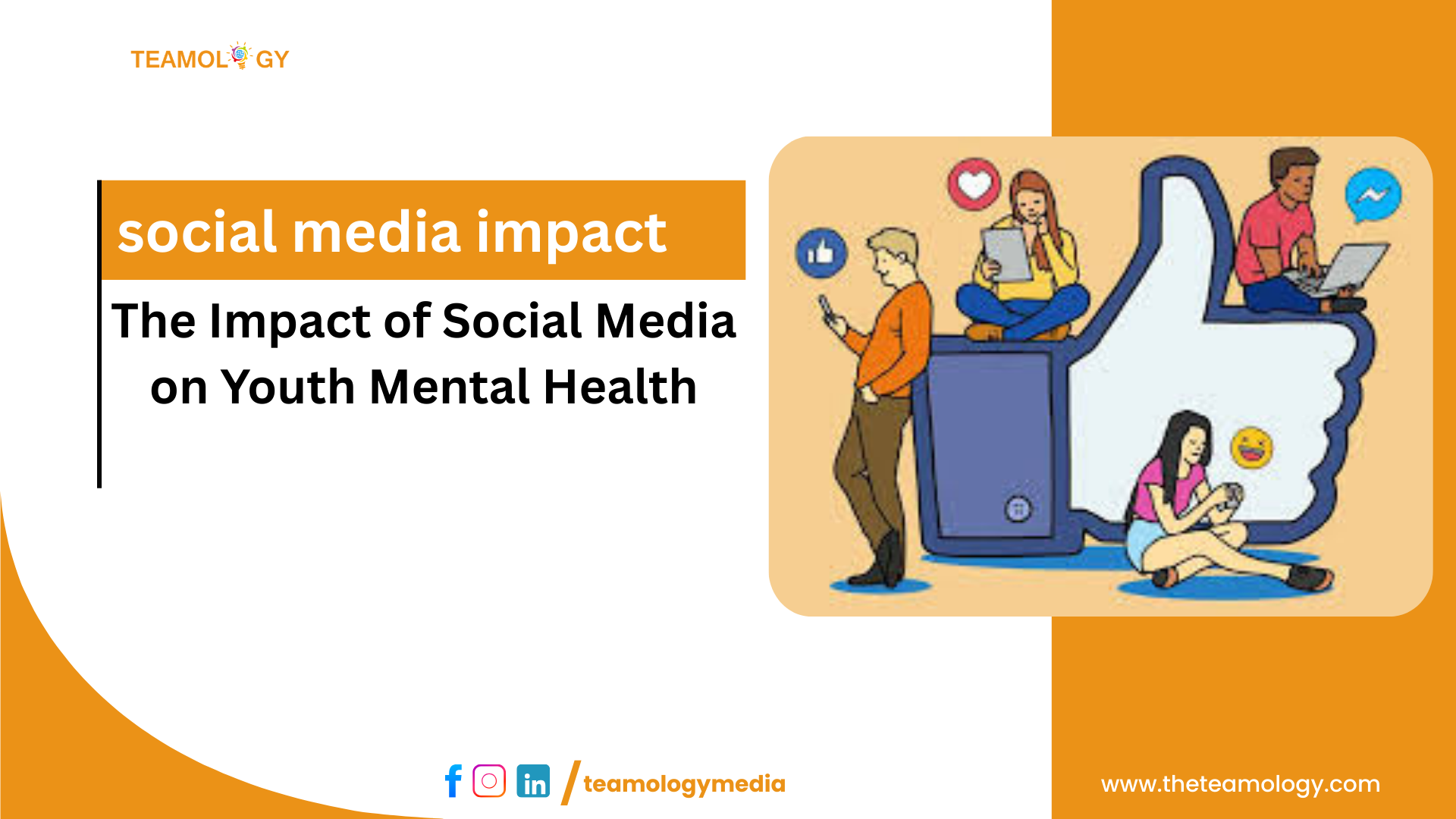

Young people spend most of their time on social media platforms such as Facebook, Instagram, TikTok, X, and Snapchat. These tools provide a platform for chat, information sharing, and reactions, keeping users informed.
However, the increase in social media use raises a central question: What is the impact of social media on mental health in real life?
It seems very easy to think and say, but in reality, it is not. On one side, social media can support youth mental health; on the other hand, it is stressful, anxious, and causes mental pressure.
The Lighter Side of Social Media
Anxiety, stress, and depression are openly discussed in many pages. This will decrease stigma and make teens less isolated.
Social media mental health support could be useful in such a manner. Adolescents can acquire coping mechanisms, read inspirational literature, and join groups that share similar experiences.
Social media also provides creativity. You often post by making various edits, sharing nature images with songs, and posting videos.
Effects of Social Media on Teens’ Mental Health
Although this has advantages, issues arise when use is excessive.
Comparison is one of the greatest problems. Adolescents are exposed to images of an idealized body, a luxurious lifestyle, and constant prosperity. The majority of this information is filtered or well-chosen. Nevertheless, it may lead young users to feel inadequate. In the long run, this influences self-esteem.
The other issue is a validation requirement. The worth of hundreds of teens is determined by the number of likes and comments they get. Failure to get attention on a post might make them depressed. It is among the most powerful social media mental health effects that are observed today.
Social Media Addiction in Teenagers
Applications are designed to keep users entertained. The constant flirty notifications, shorter form of content, where you get trapped in the loop of infinite scrolling, which often leads to addiction as it increases your dopamine release, which is the main reason behind social media addiction in teenagers.
This infinite scrolling may disrupt sleep cycles; later, it may affect mood, concentration, and performance. It is also capable of causing stress and anxiety.
Excessive screen time can reduce physical activity and real-life interaction. Physical interaction is significant to normal emotional development. A lack of balance will gradually damage everyday life and relationships through social media effects.
Cyberbullying and Emotional Stress
Cyberbullying is one of the well-known cases of the negative effects of social media on youth. Unkind words and cyber-bullying could go viral. Online attacks do not occur at a particular time of the day as traditional bullying does.
The victims can be embarrassed, anxious, or depressed. Others might drop out of school or exhibitions. Close parental guidance and discussions are needed to minimise this threat.
School Problems and Academic Pressure
Reduced attention span is another problem that is increasingly prevalent. Brief content and short videos condition the brain to remain in a state of constant stimulation. This leads several students to focus on homework or extensive reading. This may impact academic performance and add stress.
In one scenario, adolescents check their cell phones while studying. Social media apps reduce productivity during multitasking with schoolwork. This trend may lead to frustration in the long term and damage confidence as another dimension of the effects of social media on mental health.
The Unrealistic Criteria that Arise from Social Media
The social media trend has set unrealistic beauty standards among youth; most of the time, these standards are based on filters and photo editing. Adolescents may experience an urge to appear flawless in all photos. This may destroy body image and decrease self-confidence.
At adolescence, identity is yet to be formed. Insecurity can be exacerbated by constant exposure to idealised images. In the long term, this contributes to insecurity and raises questions about social media’s mental health effects.
Finding a Healthy Alternative
Social media’s impact on mental health is directly proportional to the type of content you consume and the way you use it. Medical and careful consumption is generally safer. The issue appears when social media substitutes the actual ones.
The following are easy methods of promoting youth mental health:
- Set clear screen time limits
- Leave phones out at night
- Promote physical activities and interests
- Communicate freely about the internet experiences
- Subscribe to positive and educational information
Conclusion
The key to social media and good mental health is balance. Teens can make healthier decisions when they know the consequences/examples of the benefits and risks. Social media can be used as an aid rather than a harmful resource for youth mental health when used appropriately and with understanding.