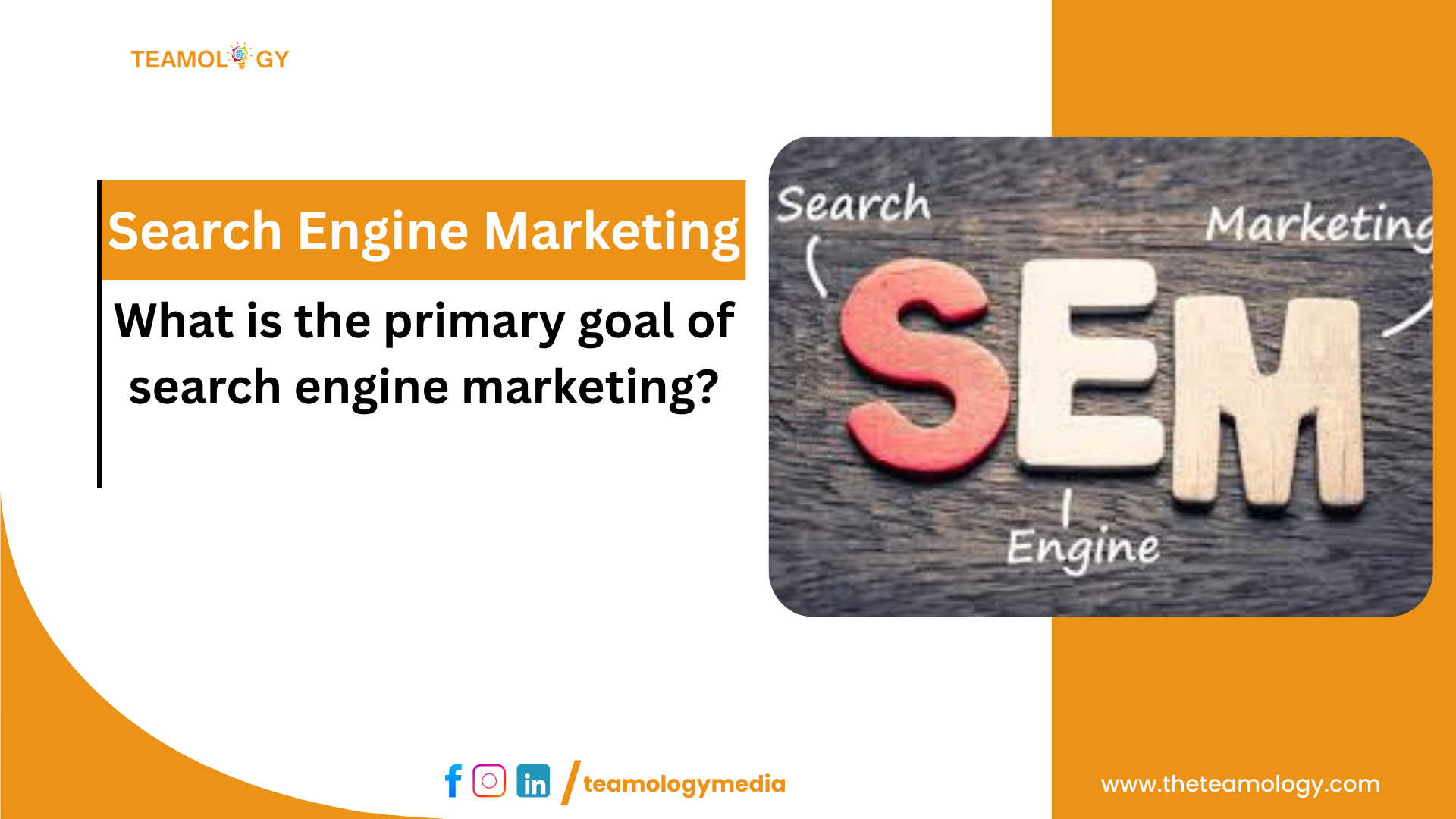
Search engine marketing (SEM) is the process of advertising to help your brand and content appear higher in search engine results. SEM uses a pay-per-click model to help companies reach target audiences and improve their search engine visibility.
Did you know that a whopping 63% of search engine users click on a paid advertisement on Google?
This means you have a 63% chance of getting your content noticed by your target audience on Google. All because you happened to have your ads displayed to the right people at the right time through search engine marketing
Such advertisements fall under the umbrella term Search Engine Marketing (SEM). If you don’t know what SEM is or want to know how it can help your business. SEM, or search engine marketing, is one of the most effective tools for expanding your business and attracting new clients.
While organic techniques are important for attracting visitors in the long run, you can’t always compete on the SERPs without putting money behind them. That is where SEM comes in. Coupling this with remarketing and retargeting ensures that potential customers who visited your site but didn’t convert get another chance to engage with your business.
What is SEM (Search Engine Marketing) in Digital Marketing?
Search engine marketing, also called SEM or paid search, is a paid digital advertising strategy used by advertisers to increase the visibility of their websites or products in SERPs.
Before we jump into tips and strategies about SEM, let’s discuss how it got started. After the invention of the internet, search engines created an opportunity for advertisers to leverage SERPs in marketing strategies.
Importance of search engine marketing.
The main importance of search engine marketing is that it helps brands raise awareness. Ultimately, the higher a brand’s ads appear or rank in search results, the greater the likelihood they are seen by audiences. Being at the top of SERPs can help drive awareness, consideration, and trust for brands.
Additionally, SEM can be an important way for marketers to drive traffic to websites, landing pages, and product pages through SERPs. The ultimate goal of SEM is to increase a website’s visibility by using a variety of techniques and strategies to drive more audience visits. Marketers can also use paid search, contextual advertising, and organic search rankings to increase website visibility.
Type of Search Engine Marketing
Search Engine Marketing (SEM) is often associated solely with paid search ads, but in reality, it encompasses multiple formats and strategic approaches to capture demand at different stages of the buyer journey.
At its core, SEM focuses on increasing visibility within search engine results. There are a few types of Search Engine Marketing, primarily through paid advertising platforms like Google Ads (under Google) and Microsoft Advertising (under Microsoft).
Search Ads (Text Ads / PPC)
This is the most common and recognisable form of SEM. Search ads appear at the top or bottom of search engine results pages (SERPs) when users type specific keywords.
Shopping Ads (Product Listing Ads)
Shopping ads are particularly valuable for e-commerce businesses. Instead of simple text, these ads display product images, pricing, ratings, and brand names directly in search results.
When users search for products like “metal sunglasses” or “wireless headphones,” shopping ads appear visually at the top of the page, making them highly attractive and conversion-focused. The primary goal of search engine marketing is to make your product visible, and shopping does that effectively.
Display Advertising
Although technically broader than search-only placements, display ads are often managed within SEM platforms. These ads appear across partner websites, apps, and video platforms within the search engine’s advertising network.
These Ads are mainly used to: Build awareness, Retarget users, and reinforce brand recall.
Remarketing (Retargeting)
Remarketing is one of the most powerful forms of SEM because it targets users who have already interacted with your website or ads.
If someone visits your website but does not complete a purchase, remarketing ads can remind them of the product they viewed.
Local Search Ads
Local search advertising targets users searching for businesses within a specific geographic area. These ads appear prominently in map listings and local search results.
Searches like “best interior designer near me” or “coffee shop in Mumbai” trigger local ads.
What is the difference between SEO and SEM?
You’ve probably heard of search engine optimisation (SEO). It’s an important marketing strategy that can help brands attract consumer attention, drive website traffic, and grow their business. But it’s important to know the difference between SEM and SEO.
The distinction between SEM and SEO remains a key source of confusion in the digital marketing landscape. The key difference between SEO and SEM is that SEM uses paid strategies to appear in SERPs, whereas SEO uses organic strategies. In simple terms, what is the primary goal of seo is to drive organic traffic and improve long-term visibility without paid ads, whereas SEM focuses on immediate paid visibility.
In simple terms, what is the primary goal of SEO is to generate long-term organic traffic, while SEM focuses on immediate paid visibility.
The Primary Goal Of Search Engine Marketing
To drive high-intent, measurable traffic that converts into business results.
In other words, what is the primary goal of a search engine from a marketing perspective is to connect users with the most relevant information and solutions quickly.
At its core, search engine marketing is about connecting businesses with users who are actively searching for solutions. Unlike traditional advertising that interrupts audiences, SEM meets potential customers at the precise moment they express intent. This also answers what is the primary goal of a search engine.
Benefits of Search Engine Marketing For Businesses
We live in the digital age where almost every business enjoys an online presence. This means that to make your online presence a success and outrank competitors, you need to stand out.
While SEO has proven to be a time-tested tactic for improving website visibility, it takes too long to deliver tangible results. For companies that want instant results,
SEO might not be a practical solution. This is where SEM proves to be extremely handy. The key benefits of Search Engine Marketing for businesses are:
Outranks high DA Websites
Search Engine Marketing (SEM) helps you outrank high DA websites that have been trending on the first page of search engines.
DA refers to domain authority. It is the score that you get for sustained SEO performance over time. It considers factors such as content quality, SEO friendliness, page load speed, and link-building initiatives.
Helps target potential customers
With search advertising, a company can quickly target website visitors and turn them into potential customers for its products or business services.
Immediate Online Visibility
One of the most significant advantages of SEM is speed. The moment a campaign is launched, ads can appear at the top of search engine results pages (SERPs). Businesses do not need to wait months to build authority, as they often would with organic SEO.
Budget Control and Cost Efficiency
SEM platforms allow advertisers to control daily budgets, bid amounts, and campaign limits. Businesses can start with modest budgets and scale up based on performance. Since advertisers typically pay only when someone clicks their ad (Pay-Per-Click model), spending is directly tied to engagement.
Final Thoughts
Search engines are where modern purchasing journeys begin. Whether someone is researching software, planning travel, comparing products, or seeking professional services, the first step is often a search query. SEM exists to intercept that journey at its most decisive stage.
To improve your digital visibility and make your business stand out from the rest, book a free call with our expert team, and they will counsel you on how to make your website rank better in Search Engine.