
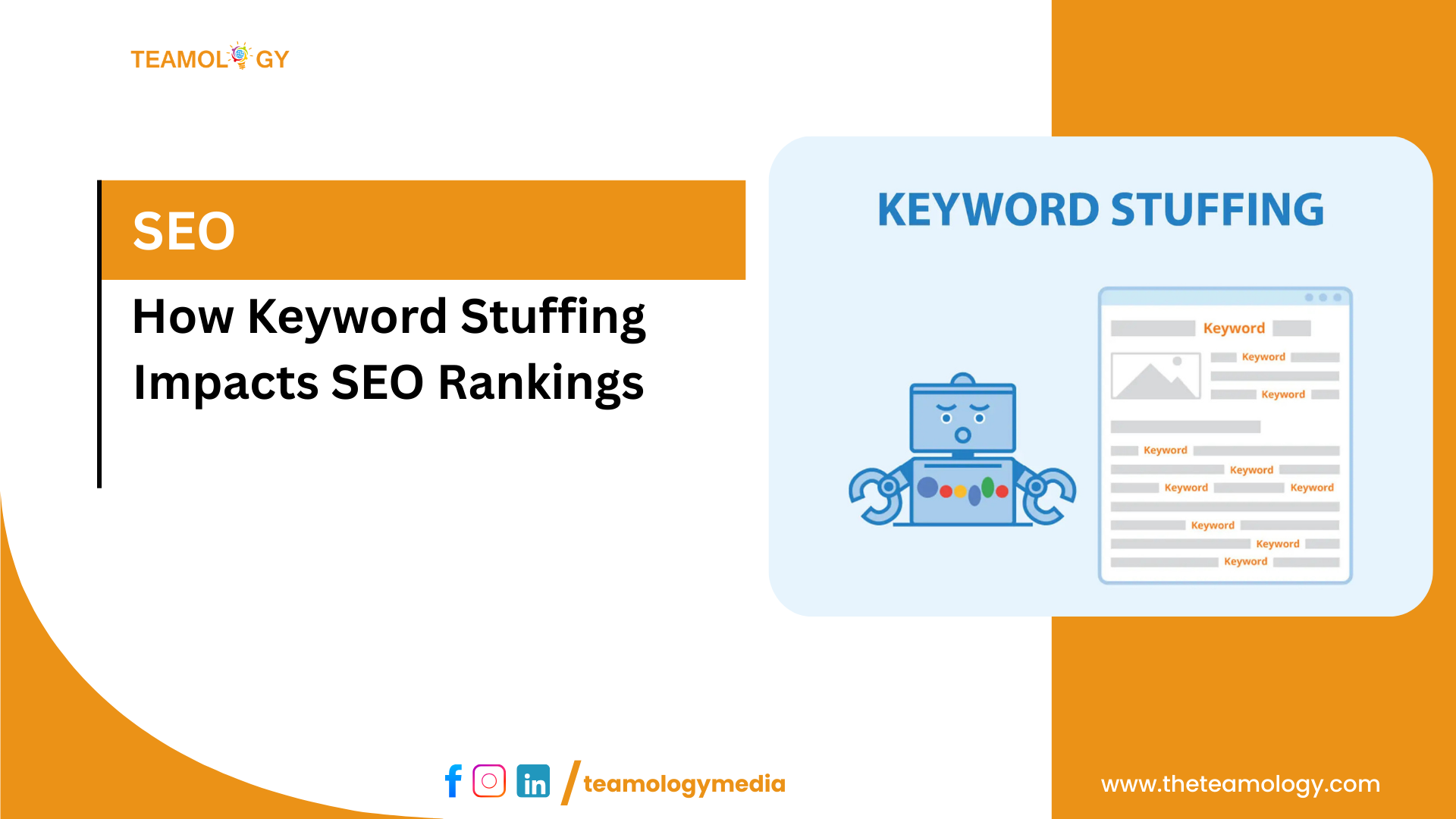

We need a clear definition of keyword stuffing to understand its effect. Keyword stuffing is artificially inserting a similar keyword in the content of a website, the meta tags, the headings, or the links with the only purpose of ranking higher in the search engines. In other words, it is imposing keywords in the content that are not even relevant.
The easiest to understand keyword stuffing example would be: best laptops are the best laptops people need, best laptops at the best prices. Reading it is tiresome and cumbersome. It is tedious and cumbersome to read.
Such writing is more about search engines than about actual people. This trick used to be effective years ago with old keyword stuffing in the age of SEO, but today it can be deadly to search rankings.
Keyword Stuffing in SEO: How It Really Works
In the early days of SEO, keyword counting was the primary way search engines worked. The more the occurrence of a keyword, the more relevant the page was. That’s how keyword stuffing in SEO became popular. The owners of the websites would insert their target keywords repeatedly to manipulate rankings.
There is the development of search engines such as Google. They currently use advanced algorithms, AI, and natural language processing to understand user context, user intent, and content quality. This means that there would no longer be a need to increase Keyword density to acquire a higher ranking. As a matter of fact, a high keyword stuffing percentage can send off bad signals.
Today, the problem of SEO is the problem of value, clarity, and expertise as opposed to repetition.
Is Keyword Stuffing Bad for SEO?
Some of the questions that many of the owners of websites would ask themselves are: Is keyword stuffing bad for SEO?
Google can cut off your rankings or provide Google SEO penalties when it notices over-optimisation. These punishments can be automated (algorithmic ranking reductions) or a manual action of Google reviewers. Google SEO penalties can take weeks or even months to recuperate, and in other instances, a site can never restore lost positions.
Keyword Density vs Keyword Stuffing Percentage
Keywords density and Keywords stuffing percentage are two terms that many confuse, yet they are not the same thing in practice.
There is no officially agreed-upon keyword stuffing percentage, but when your keyword is excessively utilized, i.e., 5 percent or higher, it will start to appear unnatural. The key is balance. You do not have to chase the ideal percentage of keyword stuffing; it is important to write naturally and read.
The present-day search engines can recognize synonyms and related words, and thus, you do not need to type the same keyword repeatedly to rank.
Google SEO Penalties and Over-Optimization
Google SEO Penalties are one of the biggest dangers of over-repetition. The algorithm of Google is set to guard against spam for the user. It could dump the page in the ranking system when it notices unnatural patterns of keyword stuffing in SEO.
Extreme actions are required, such as Google SEO punishments, which may lead to de-indexing, i.e., your page does not show up in search at all. Companies that have heavily depended on organic traffic may find it very difficult to make significant revenue because the keyword density is an issue.
That is why the present-day search engine optimisation is based on quality indicators such as user engagement, useful content, and authority, rather than solely on keyword density.
How to Avoid Keyword Stuffing in Practical Ways
One of the most important skills of sustainable SEO development is learning how to avoid keyword stuffing. The most important first action, which is the best way of avoiding keyword stuffing, is that one has to write for human beings and not for the search engine. The keywords will automatically be displayed in the text in case your material is really answering questions and giving them solutions.
The other clever thing about how to avoid keyword stuffing is that one can use variants and similar words rather than applying the same wording. Search engines know the context; hence, synonyms help maintain healthy keyword density without increasing the risk of Keyword stuffing.
Another writing tip is to read your work after you are done. Read it out loud. In case it is repetitive, revise it. Eliminate forced keyword placement in headings or subheadings.
Conclusion
The very example of keyword-stuffing makes it evident that it is spammy, clumsy, and unnatural to readers. Keywords stuffing effects are negative, such as being ranked low, losing credibility, and having a bad user experience, alongside the risk of Google penalties for the same.
In case you are left asking, Is keyword stuffing bad for SEO the answer would be yes. The most prudent long-term development plan is learning to avoid keyword stuffing, maintain natural Keyword density, and focus on providing real value.
Today, SEO prioritises useful, trustworthy, and practical content over repetition as a rewarding aspect. Write to people then smartly, and your rankings will increase organically.