Social media has changed the way brands collaborate with people. Before, businesses mainly depended on advertising channels, such as radio, television, newspapers, and billboards, to attract customers. Today’s social media platforms have become the center of digital marketing, and brands are continuing to look for creative ways to grab attention. One of the most effective business methods to have developed quickly over the years is meme marketing.
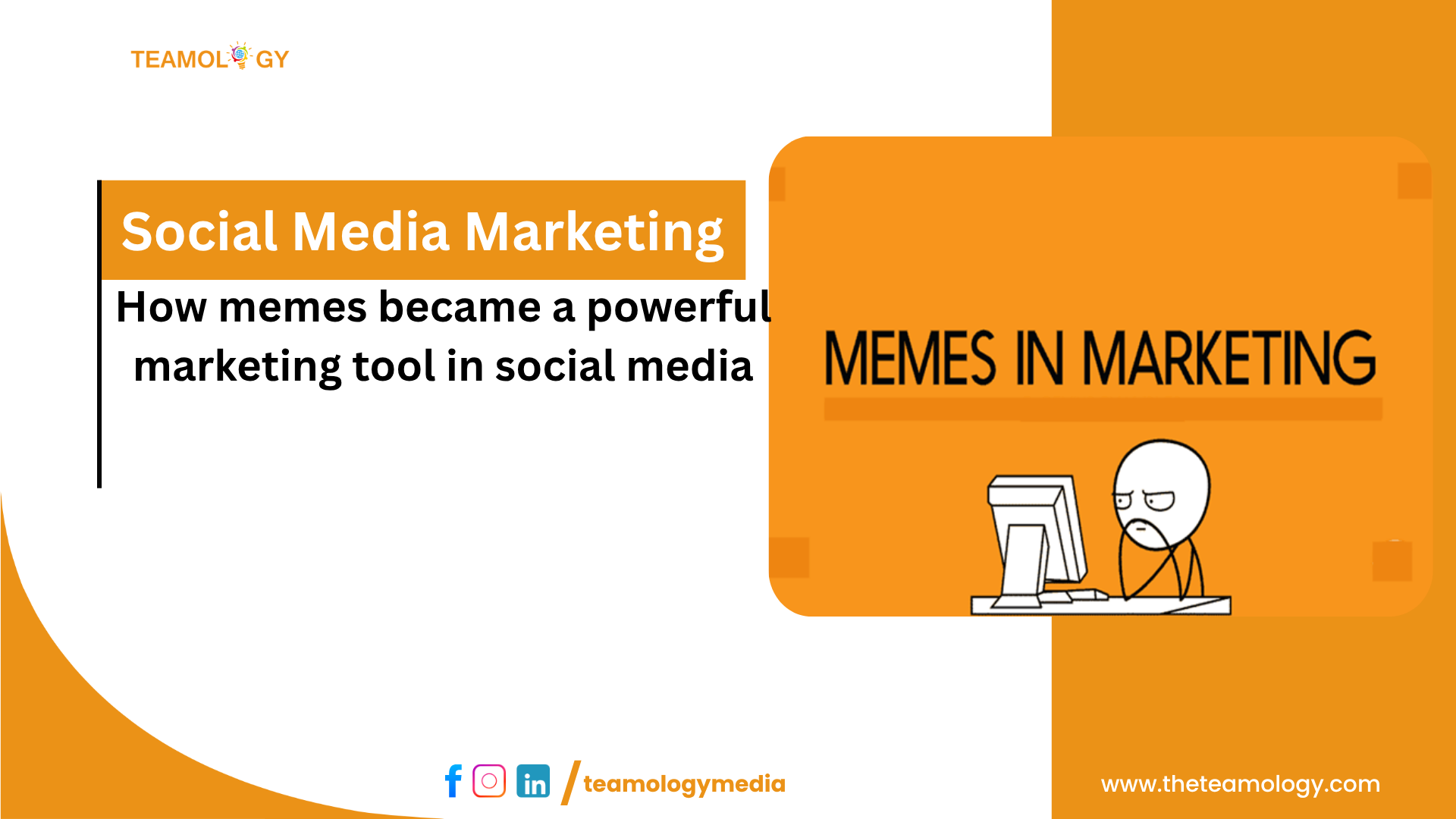
Memes are likely funny images, videos, or texts that spread quickly online. They are generally easy to access, entertaining, and easy to understand. What started as an internet comedy or funny side has now become one of the most powerful marketing tools for businesses across different trades. Brands now use memes to increase participation, connect with audiences, and build stronger online awareness.
What are memes?
A meme is a piece of content that people share largely across social media platforms. It can be a funny image with text, a short video, or even a trending social media format. Memes are sometimes used to show everyday situations, emotions, or famous trends. People enjoy memes because they are simple and entertaining. Instead of reading for a long time, users can quickly understand a meme and relate to it emotionally. This ability to create instant connections makes memes highly productive for marketing.
Why do memes work in social media marketing?
Social media users scroll through hundreds of posts daily. Brands have only a few seconds to attract attention before users move on. Memes help solve this problem because they are mainly attractive and entertaining.
Here are some reasons why memes have become powerful marketing tools :
1. Memes increase engagement
Social media platforms’ official content carries likes, shares, and comments. Memes naturally motivate interaction because people enjoy sharing funny content and the same text with friends. When a brand posts a meme, users often tag others in the comments or repost it on their profiles. This increases clarity without spending extra money on ads. The highest engagement also improves a brand’s social media reach, helping businesses connect with larger audiences.
2. Memes feel more human.
Old advertisements sometimes feel promotional. Modern audiences, especially young generations, prefer brands that communicate naturally. Memes allow businesses to sound less like corporations and more like the public. A funny meme makes a character and makes a brand more friendly. Consumers are more likely to engage with brands they find relatable and original.
3. Memes are cost-effective
Creating TV or larger advertisement campaigns can be costly. Meme marketing needs planning. A normal picture with creative messages can perform better than costly promotional ads. Small businesses and startups, especially, benefit from meme marketing because it delivers strong results without extra cost. This makes memes one of the most affordable social media plans.
4. Memes improve brand awareness.
Audiences recall emotions more than information. Knowledge creates positive vibes, making brands easier to remember. When users repeatedly see entertaining content from a business, they start to associate positive experiences with the brand. However, users who do not buy products quickly may be remembered by the company later because of memorable meme content.
5. Can memes connect with social media?
The online platforms move quickly. Trends change daily, and users expect fresh content regularly. Memes fit perfectly into internet culture because they adapt to trends. Brands that use trending memes can become part of online conversations and stay connected. Businesses that understand social media culture often build stronger relationships with their audiences.
How brands use memes successfully. Successful meme marketing needs more than simply posting funny content. Brands must understand their audiences and choose humor that connects.
Some common ways businesses use memes
Trend-based memes
Brands use trending online formats and customize them to align with their products or services.
Relatable customer experiences: Businesses create memes about everyday customer situations to build connections.
Product promotional
Instead of direct selling, brands subtly include products within entertaining content. The goal is not only to promote products but also to create conversations.
Challenges of memes marketing
Although meme marketing offers many benefits, it also comes with challenges.
Understand your targeted audiences.
Not every meme resonates or works for every audience. Common sense across ages and groups. Businesses must understand their audiences.
The future of memes marketing
Meme marketing continues to grow on social media platforms worldwide. Short-form video content, trending audio, and viral challenges have expanded how businesses use humor digitally. Modern consumers value entertainment alongside information. Brands that combine creativity will likely continue benefiting from meme marketing. Artificial intelligence, content personalization, and faster trend cycles may also influence future meme plans. However, the core principle will remain the same: people enjoy content that makes them smile.
Conclusion
Memes have transformed from simple internet jokes into powerful marketing tools. They help businesses increase event attendance, improve brand awareness, and build strong audience relationships. Nowadays, consumers help brands communicate naturally and resourcefully. Meme marketing offers businesses an opportunity to connect with audiences in a relatable and intellectual way. Brands can understand social media culture and use meme methods to stand out in crowded online spaces as digital marketing continues to evolve.
What brands stand out online? Start creating content that informs, entertains, and connects with other audiences because engagement drives growth in social media marketing.